




NTC Thermistors: A Comprehensive Solution For Your Sensing Needs
NTC thermistors are temperature sensors with a unique property: their resistance drops as the temperature rises. They’re widely used in:
- Temperature control and measurement
- Electric vehicles
- HVAC systems
- Medical devices
- Automotive electronics
Ametherm provides a diverse range of NTC thermistors to meet your specific needs in terms of size, shape, and material.
We also offer support services such as technical guidance, custom design, and prototyping. Our commitment is to deliver top-quality products and services. Contact us today to discover our NTC thermistors and how we can assist you.
Visit Our Distributors to See Availability of Our Products


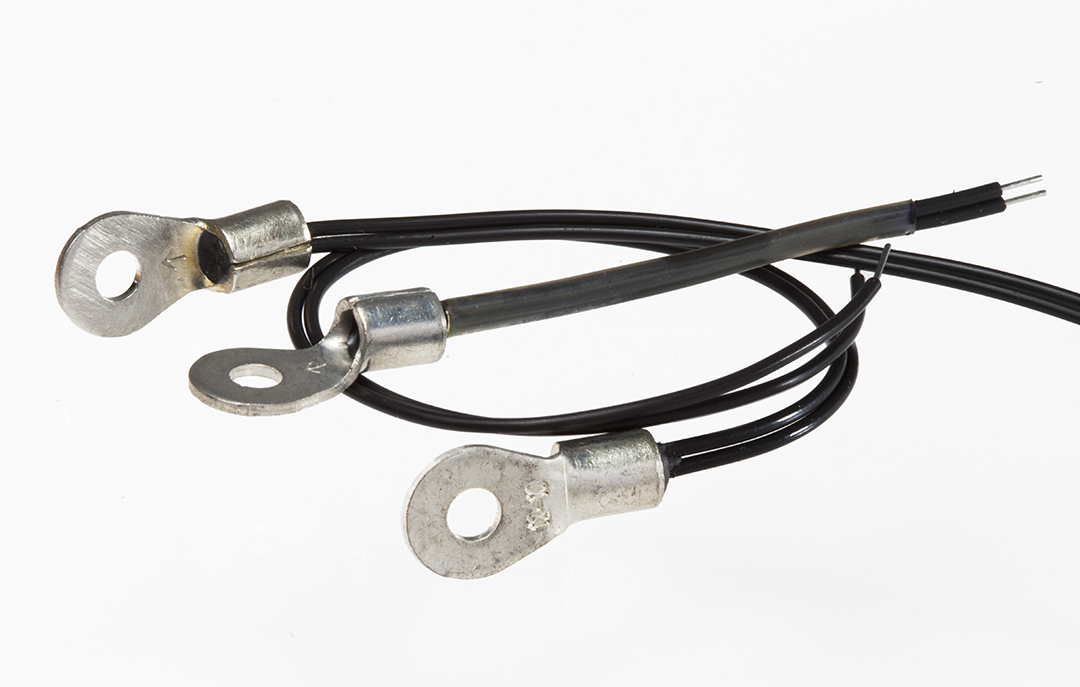
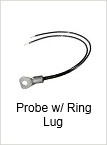
PANR – Probe with Ring Lug
The PANR Series are designed with a ring lug for easy installation and secure attachment. These probe assemblies are specifically engineered for temperature sensing and monitoring applications. The inclusion of a ring lug allows for simple mounting and ensures a reliable connection to various surfaces or components.
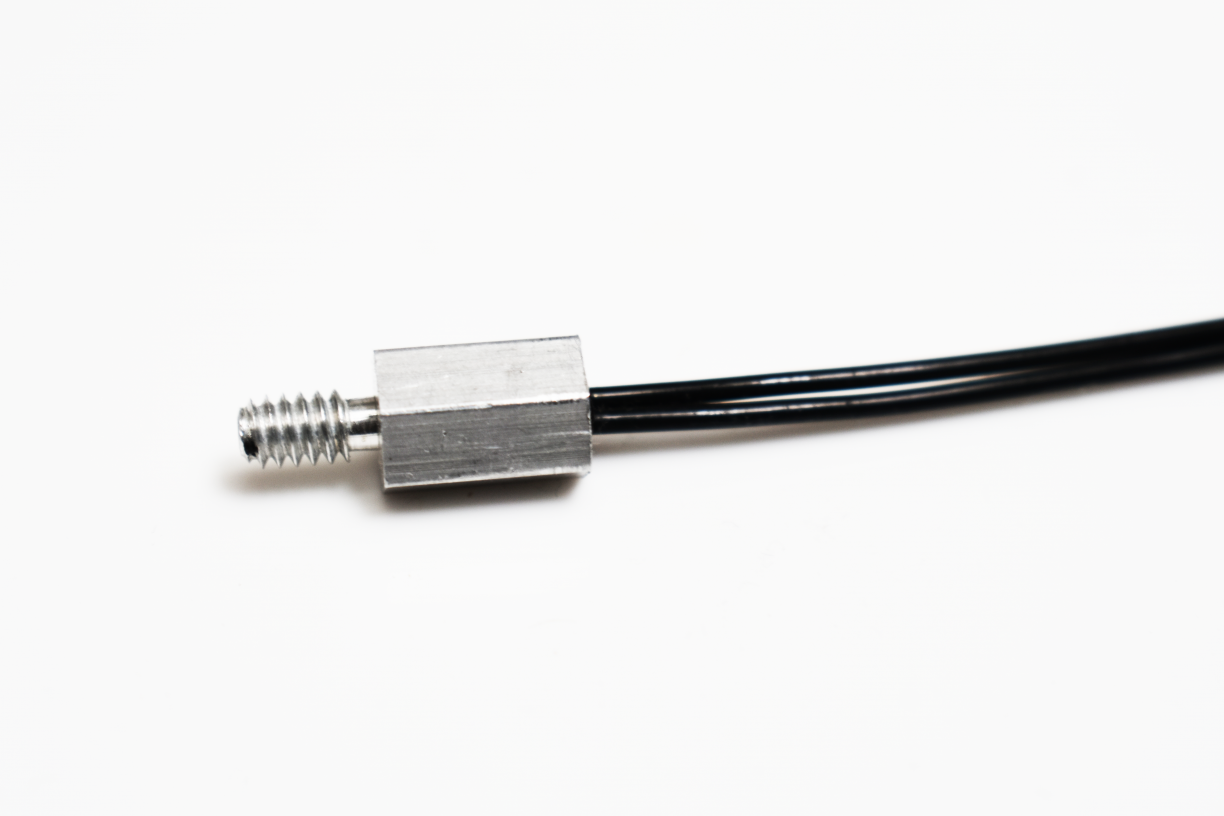
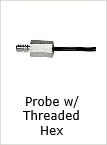
PANT – Probe with Threaded Hex
The PANT Series features a threaded hex nut for easy installation and secure attachment. These probe assemblies primarily serve temperature sensing and monitoring applications. The threaded hex nut allows simple mounting on different surfaces, making it suitable for a variety of industrial and commercial systems.
Thanks to the threaded hex nut design, these probe assemblies offer a stable and secure connection, keeping the thermistor in place, even in challenging conditions. This feature proves valuable in applications with potential vibration or movement.
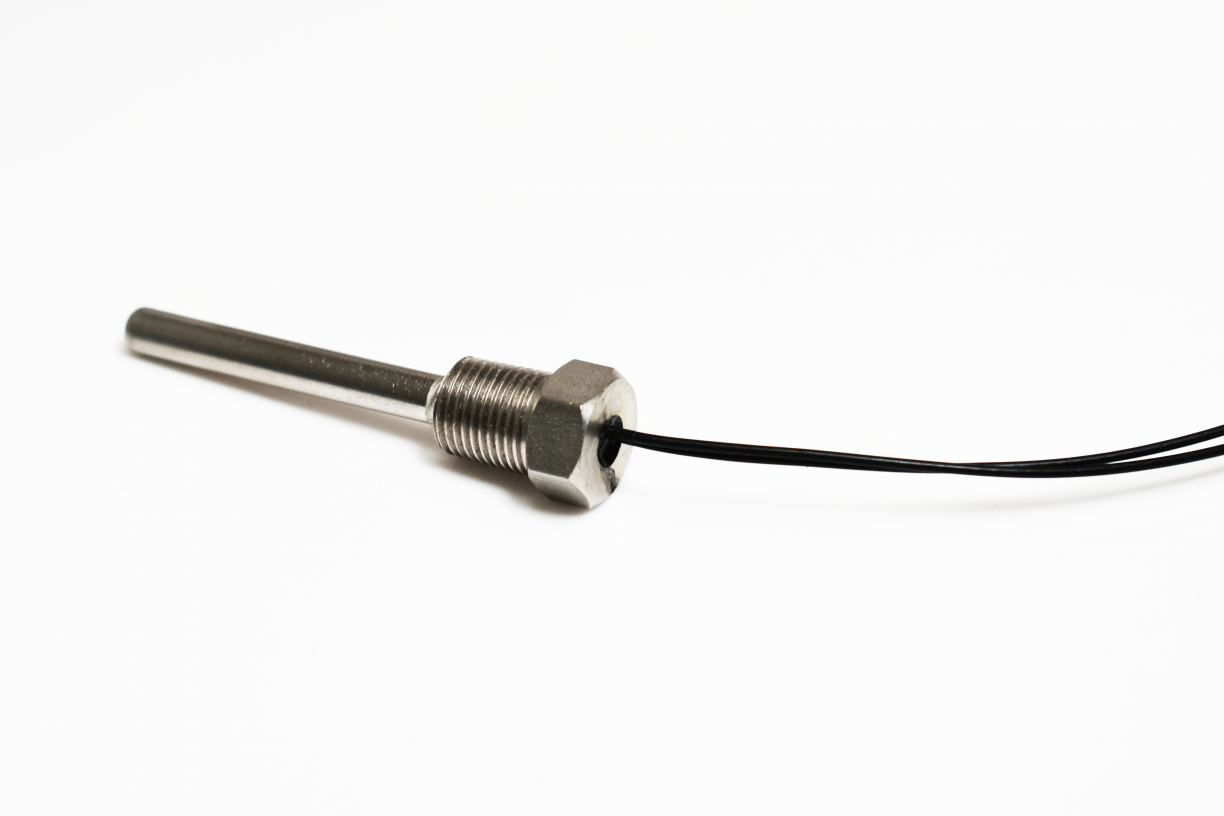
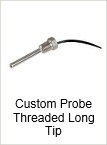
PANW – Probe with Threaded Hex Nut & Tip
The PANW Series is designed with a threaded hex nut and tip for easy installation and reliable temperature sensing. These probes are built for temperature monitoring and measurement. This design allows simple installation and accurate temperature measurement at specific points, making it useful in applications where precision matters.
PANE – Probe with Epoxy
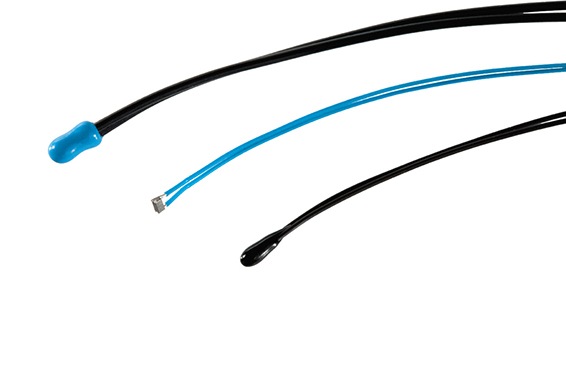
The PANE Series are specifically designed with epoxy encapsulation for temperature sensing applications. These probe assemblies are engineered to provide reliable and accurate temperature measurements in various environments. The epoxy encapsulation ensures protection and stability for the internal components, making them suitable for demanding conditions.
The epoxy encapsulation in these probe assemblies provides several benefits. It offers protection against moisture, dust, and other environmental factors, ensuring the longevity and durability of the internal components. The epoxy encapsulation also provides electrical insulation, making the probe assemblies safe for use in different applications.
PANH – Probe with Steel Housing
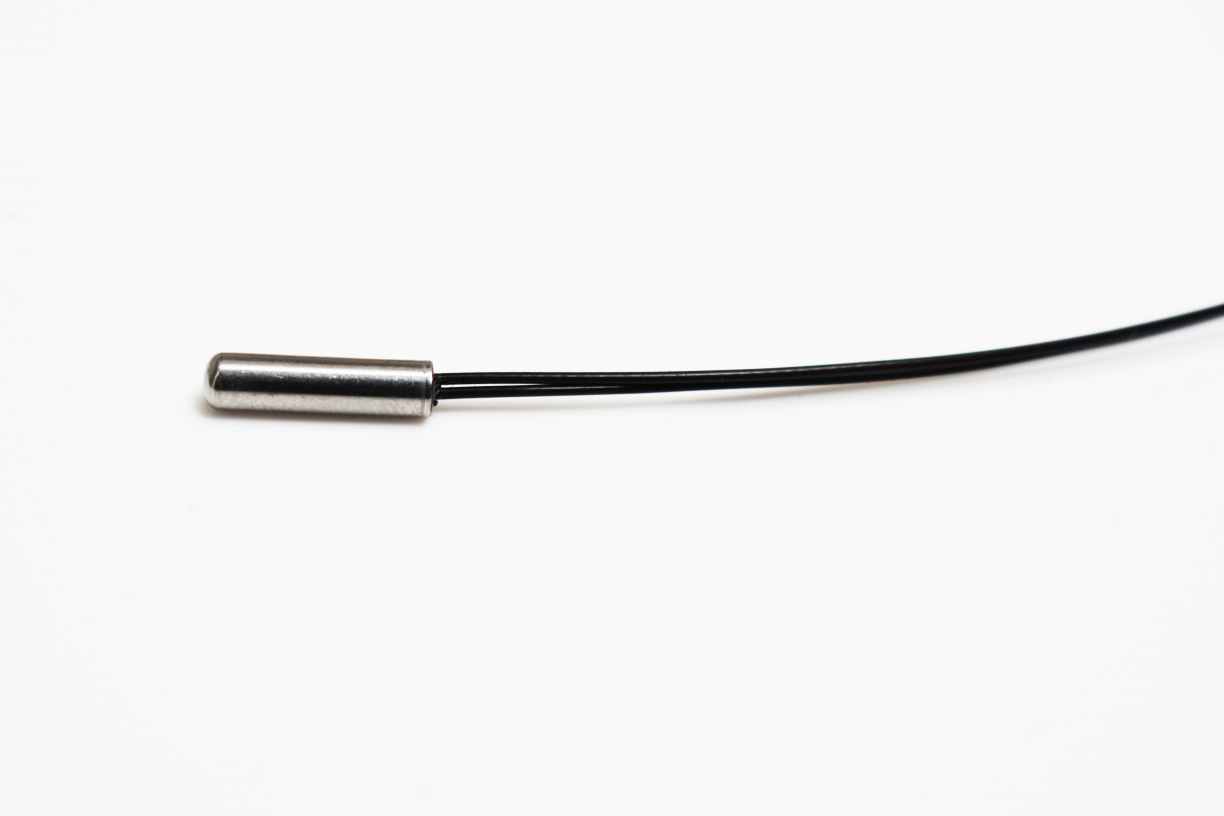
The PANH Series are designed with a durable steel housing for temperature sensing applications. These probe assemblies are specifically engineered to provide reliable and accurate temperature measurements in various environments. The steel housing ensures robustness and protection for the internal components, making them suitable for demanding industrial applications.
The steel housing in these probe assemblies provides several advantages. It offers excellent mechanical strength and resistance to impact, ensuring the protection and longevity of the internal components. The steel housing also provides enhanced resistance to environmental factors such as moisture, dust, and chemicals, making the probe assemblies suitable for harsh conditions.
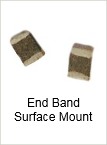
End Band Surface Mount – KR/TR/STC Series
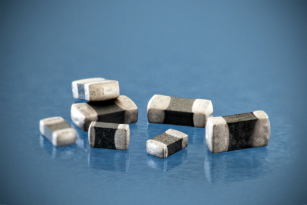
End Band Surface Mount Thermistor components are designed for surface mount applications and offer reliable temperature sensing capabilities. These components are specifically engineered to provide accurate temperature measurements in a compact form factor. They are widely used in various electronic devices and systems where space is limited and precise temperature monitoring is crucial.
The surface mount design of these components offers several advantages. It enables easy and convenient installation on circuit boards using standard surface mount techniques. This makes them suitable for high-volume manufacturing processes and allows for efficient integration into electronic assemblies.

Accu-Curve Precision Interchangeable Thermistors
Accu-Curve Precision Interchangeable Thermistors are advanced temperature sensing components that offer exceptional accuracy and interchangeability. These thermistors are specifically designed to provide precise temperature measurements and are widely used in industries where temperature control is critical.
What sets the Accu-Curve Precision Interchangeable Thermistors apart is their interchangeability. They are designed to have extremely tight tolerances, allowing them to be easily interchanged without compromising accuracy. This interchangeability provides flexibility in various applications and simplifies the replacement process, minimizing downtime and reducing costs.
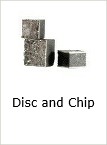
Disc and Chip Thermistors
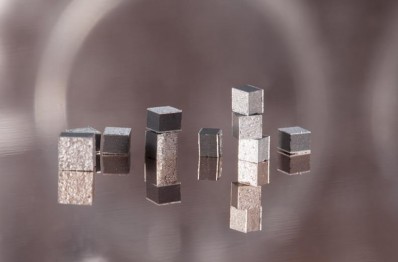
Disc and Chip Thermistors are compact and reliable temperature sensing components designed for various electronic applications. These thermistors offer accurate temperature measurements in a small form factor, making them suitable for space-constrained devices and systems.
The compact design of these thermistors, whether in disc or chip form, enables easy integration into electronic circuits and assemblies. They are commonly used in temperature monitoring and control applications, such as in power supplies, battery management systems, temperature compensation circuits, and more.
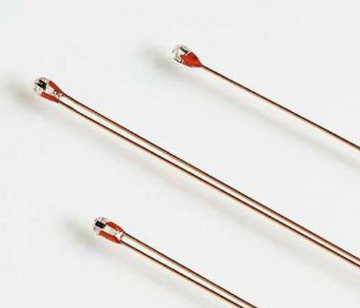
Glass Encapsulated DG Series
Glass Encapsulated DG Series are specifically designed with a glass encapsulation for temperature sensing applications. These thermistors offer reliable and accurate temperature measurements in a robust and durable package.
The glass encapsulation of these thermistors provides several advantages. It offers excellent protection against moisture, chemicals, and other environmental factors, ensuring the longevity and durability of the internal components. The glass encapsulation also provides electrical insulation, making the thermistors safe for use in various applications.